Luxury Private-Pool Villa With a Dog: Safety and Packing Checklist
A room-by-room safety and packing checklist for guests bringing a dog to a luxury private-pool villa in Bali, from arrival setup to departure.
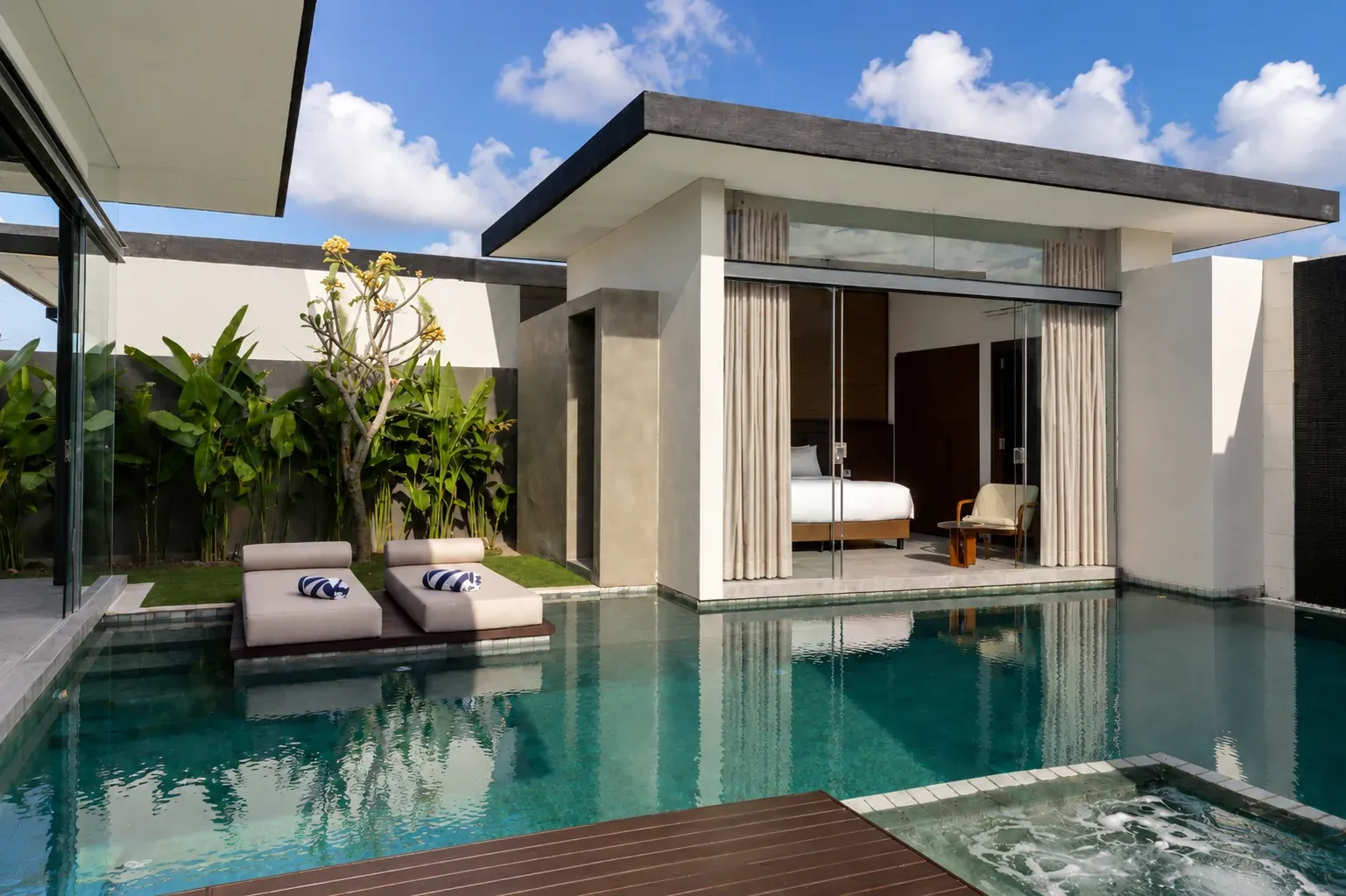
A private-pool villa gives people space and privacy, but it also combines water, open doors, unfamiliar surfaces and staff access in one place. For a dog, those details matter more than the word “luxury.” A successful stay begins with a confirmed dog policy and a practical plan for how the villa will work from arrival to departure.
At Pronoia, both operating Phase 1 villas accept guests travelling with a dog when the dog is included in the booking request. The rental form records that fact alongside the chosen villa, dates and guest count, and the online quote applies the published dog-stay surcharge and minimum stay. The property team then confirms the exact stay terms in writing. No online checkbox can replace that confirmation, and this guide does not invent services, equipment or unrestricted access that have not been promised.
Use the following checklist before booking, while packing and during the first walkthrough. Adapt it with your veterinarian for the dog’s age, health, breed, training and travel experience.
Confirm the villa before planning the kit
Do not buy travel equipment around a listing badge alone. Ask whether your specific dog is accepted in the exact villa on the exact dates, and ask for any conditions to be included with the price and cancellation terms. “Pet-friendly” can mean dogs only, selected units only or advance approval, so name the animal rather than relying on the broad category.
A concise pre-booking message should include the dog’s approximate size, age and any relevant management needs. Ask about the number of dogs accepted, restricted spaces, housekeeping access, cleaning or damage provisions, and whether any supplied item has actually been confirmed. If the team does not promise bowls, bedding, gates or supervision, pack and plan as though those items are not available.
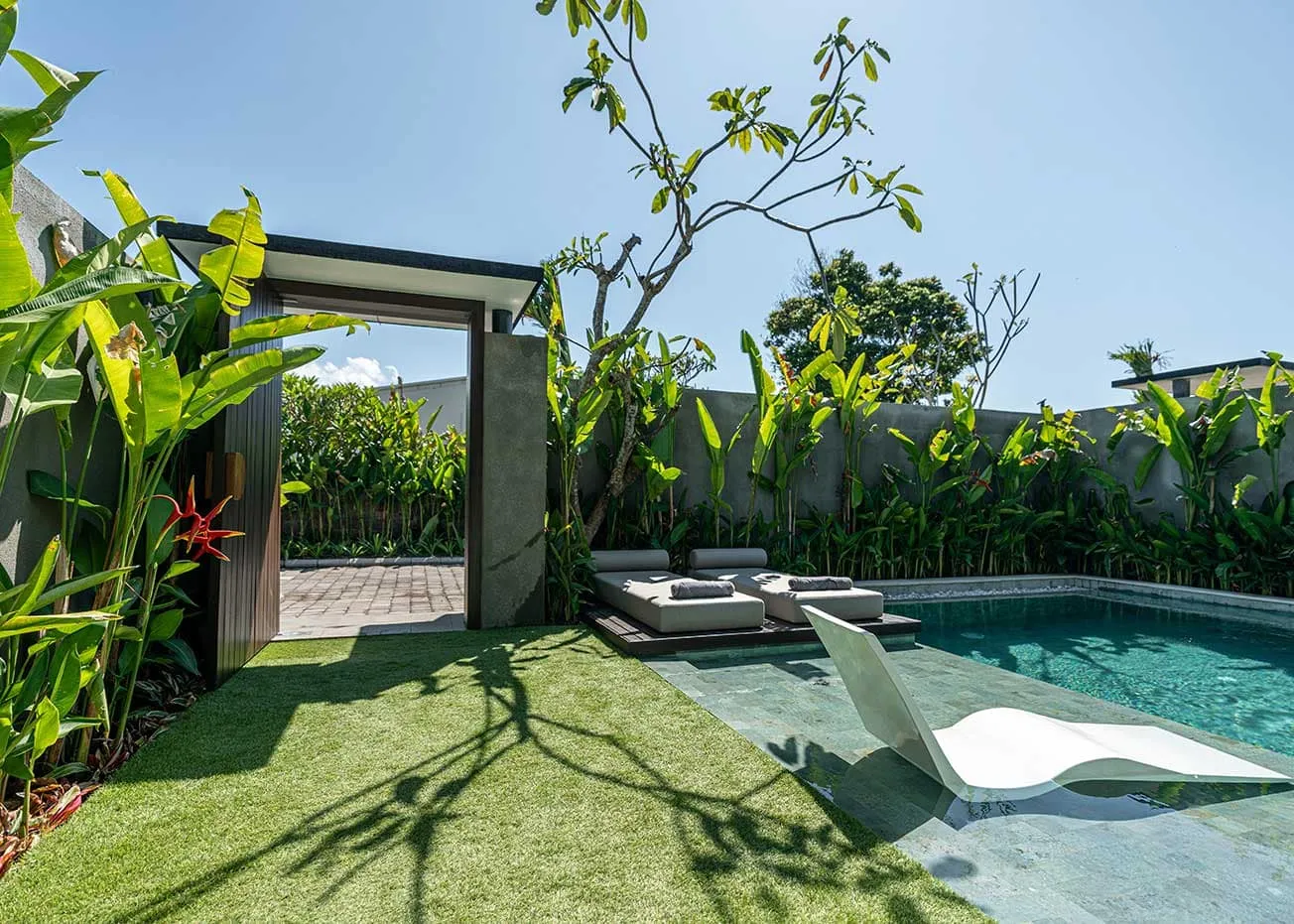
Request a recent plan or images showing the pool, doors, garden boundaries and service entrance. Photographs composed for interiors may not reveal a gap beside a gate, a low planted edge or a direct bedroom-to-pool route. For a dog with limited mobility or poor vision, ask specifically about steps and floor surfaces.
The broader guide to dog-friendly villas in Bali explains how to turn the property’s reply into a complete written booking record. Keep that record available at check-in and request an update if the villa, dates or travelling dog changes.
Walk the perimeter before releasing the dog
Arrival is the highest-friction moment: luggage is moving, drivers and staff may open gates, and the dog has not learned the boundaries. Keep the dog on a lead or in a secure carrier until one person has completed a walkthrough.
Start at the main entrance and follow every exterior edge. Check gate latches, spaces beneath gates, side passages, planting gaps, utility areas and any route used by housekeeping or maintenance. An attractive wall or dense hedge is not necessarily a continuous dog barrier. If containment is not certain, continue to use a lead and direct supervision.
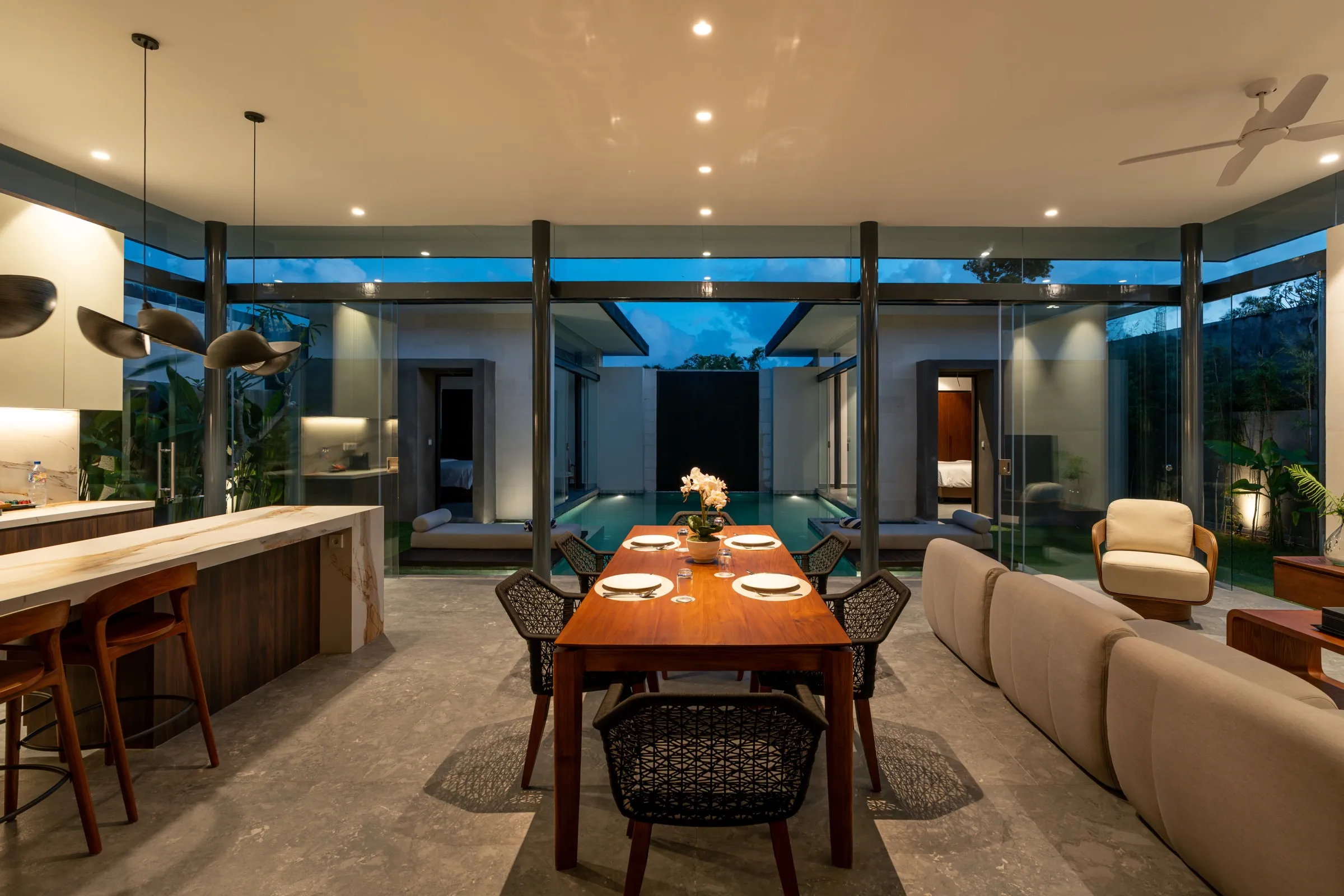
Then inspect interior transitions. Identify sliding doors that move quietly, doors that do not self-close, balconies, stairs and slippery polished floors. Decide which doors remain shut and who checks them. Put luggage away so that medication, chocolate, sweeteners, batteries, cosmetics and small objects are not accessible.
Create one calm zone before expanding access: familiar bed or mat, fresh water, a known chew or toy, and no direct route to an open gate or pool. Let the dog settle while human check-in is completed. A controlled first hour is more valuable than immediately exploring every room.
Make the pool exit obvious and supervised
Never assume a dog can swim safely because it has entered water before. Pool edges vary, steps may be difficult to see from the water, and a wet dog may struggle on tile. Puppies, senior dogs, short-legged dogs, brachycephalic breeds and animals with heart, respiratory, neurological or mobility conditions may face additional risk.
The American Veterinary Medical Association advises supervising pets around pools and not assuming all dogs are strong swimmers. During the walkthrough, identify the usable exit, guide the dog to it without forcing a swim, and keep the route unobstructed. If the dog enters the water, active human supervision means an attentive adult is close enough to respond, not watching from inside through glass.
Provide normal fresh drinking water away from the pool. Discourage drinking pool water, and rinse the dog after swimming if appropriate for its coat and your veterinarian’s guidance. Dry ears and skin folds carefully where relevant. Store pool chemicals and maintenance equipment out of reach.
At night, reflections and dark edges can change how the space appears. Keep doors controlled and do not leave the dog outside alone. Remove floating toys if they attract the dog toward the water after the activity ends. A canine flotation aid may be useful for some dogs, but it must fit correctly and does not replace supervision.
Design a heat-aware indoor and outdoor routine
A private villa can provide shade and air-conditioned space, but the dog still moves across outdoor stone, decking, paths and vehicle areas. Bali’s heat and humidity require a slower schedule than a familiar cool climate. Individual tolerance differs, so ask your veterinarian whether the trip is suitable and what warning signs matter for your dog.
The ASPCA’s hot-weather safety guidance recommends ample fresh water, shade and caution with hot asphalt. The AVMA guidance above warns never to leave an animal in a vehicle and identifies heavy panting, breathing difficulty, weakness, stupor and collapse as concerning signs. Seek urgent veterinary help if heat illness is suspected.
Build the day around cooler outdoor windows, brief toilet routes and indoor recovery. Test a surface with your hand before allowing prolonged contact. Carry water on every outing, even when the route looks short. Reduce activity after travel and do not use a fixed distance as proof that the dog has had enough exercise.
Place the resting area away from direct sun and from a constantly opening service door. Confirm how cooling works if you leave the room, but do not leave a dog alone unless the property terms and the dog’s normal behaviour make that safe. A change of environment can trigger separation distress even in a dog that settles well at home.
Coordinate housekeeping and every visitor
A villa stay may involve housekeeping, pool maintenance, deliveries and concierge visits. The dog does not know which people are expected, and staff may not know the dog’s door behaviour. Agree on a simple protocol at check-in.
Choose a method that works every time: the team messages before entry; the dog is secured in a closed room, carrier or on lead; one guest confirms that entry is safe; and the gate is closed before the dog is released again. Do not rely on a note that can be missed or on the assumption that all staff received the same briefing.
Tell the team if the dog is fearful, guards spaces, reacts to uniforms or equipment, or must never be approached while eating. Those facts help people keep distance; they are not a request for staff to handle or train the dog. The travelling guest remains responsible for supervision unless a separate, qualified service has been explicitly arranged.
Meal and delivery times need the same plan. Keep the dog controlled when an exterior gate opens. Store rubbish and food securely so they do not attract the dog or free-roaming animals outside. Clean waste promptly using the disposal method confirmed by the property.
Pack by function, not by imagined amenities
A dependable packing list starts with essentials that cannot be substituted easily. Split supplies between hand luggage and checked baggage where transport rules allow, so one delay does not remove every critical item.
Identification and documents
- Collar or harness with current contact details and a backup identifier.
- Vaccination, health, movement and transport records required for the route.
- Recent photograph and microchip details where applicable.
- Regular veterinarian and destination clinic contacts.
Control and travel
- Primary lead, backup lead and a secure harness or collar.
- Airline- or vehicle-appropriate carrier or restraint.
- Portable water container, waste bags, towel and basic cleaning supplies.
- Muzzle if the dog is trained to wear one or if transport rules require it.
Food, health and settling
- Sufficient normal food plus a disruption margin.
- Clearly labelled medication and veterinarian instructions.
- Familiar bedding, one or two known enrichment items and grooming tools.
- Any veterinarian-approved paw, skin or parasite protection appropriate to the trip.
Pool and outdoor management
- An absorbent towel reserved for the dog.
- Correctly fitted flotation aid if recommended for this dog.
- A portable mat for hot or slippery surfaces.
- A light or reflective item for controlled low-light outings.
Do not bring a long list merely because a blog recommends it. Each item should solve a risk or routine you have identified. Conversely, do not omit essentials because a “luxury” listing might supply them. Ask, record the answer, and pack accordingly.
Choose emergency actions before arrival
Save a veterinary clinic’s current phone number, location, opening hours and out-of-hours process. Confirm that the clinic can advise on the type of care you may need; a map category alone does not establish capability. Identify how you would transport the dog and who would travel if the main guest were unavailable.
Carry enough information for someone else to act: dog’s age and weight, medication, allergies, relevant conditions, veterinarian contact and insurance details if used. Keep the villa address in a copyable format. A written plan helps during a stressful call in an unfamiliar place.
For pool incidents, remove the dog from danger without putting people at unreasonable risk, contact a veterinarian urgently and follow professional instructions. For possible heat illness, move to a cooler area, begin veterinarian-directed cooling and seek care. For bites or scratches involving a person or contact with an unknown mammal, obtain urgent medical or veterinary guidance; Bali’s animal-health context should not be managed by guesswork.
The location-focused Jimbaran guide for dog owners covers transport, public-space checks, rabies precautions and government requirements in greater detail.
Recheck the villa at departure
A careful departure protects the dog, staff and booking record. Secure the dog before doors, vehicles and luggage begin moving. Check under beds, behind curtains, around outdoor furniture and near planting for medication, toys, waste or damaged items.
Tell the team promptly if anything was marked, broken or soiled beyond normal cleaning. Early disclosure allows the property to assess the issue fairly and prevents surprises after travel. Ask how keys and final access work so the dog is never loose while the entrance remains open.
Run a final document check before leaving: transport acceptance, required health papers, water and medication accessible for the journey, and the destination ready to receive the dog. Do not pack the only lead or all medication into inaccessible baggage.
The best private-pool villa stay with a dog is calm because responsibilities are explicit. The property confirms acceptance and terms; the guest brings the right controls and supplies; everyone agrees how doors and staff access work; and the pool and climate are actively managed.
To request a Pronoia villa, open the live dog-friendly rental calendar, select your villa and dates, tick that you are travelling with a dog, and wait for the team’s complete written confirmation before paying or finalising travel.
Sources
- Warm weather pet safety American Veterinary Medical Association · Accessed September 9, 2026
- Hot weather safety tips ASPCA · Accessed September 9, 2026
- Dog-friendly villas in Bali Pronoia · Accessed September 9, 2026
General information only. Property, legal and tax decisions require independent Indonesian professional advice.