Jimbaran vs Uluwatu vs Canggu: Where to Live and Invest in Bali
A practical comparison of three Bali locations using the same criteria, with clear trade-offs for residents, families, remote workers and property investors.
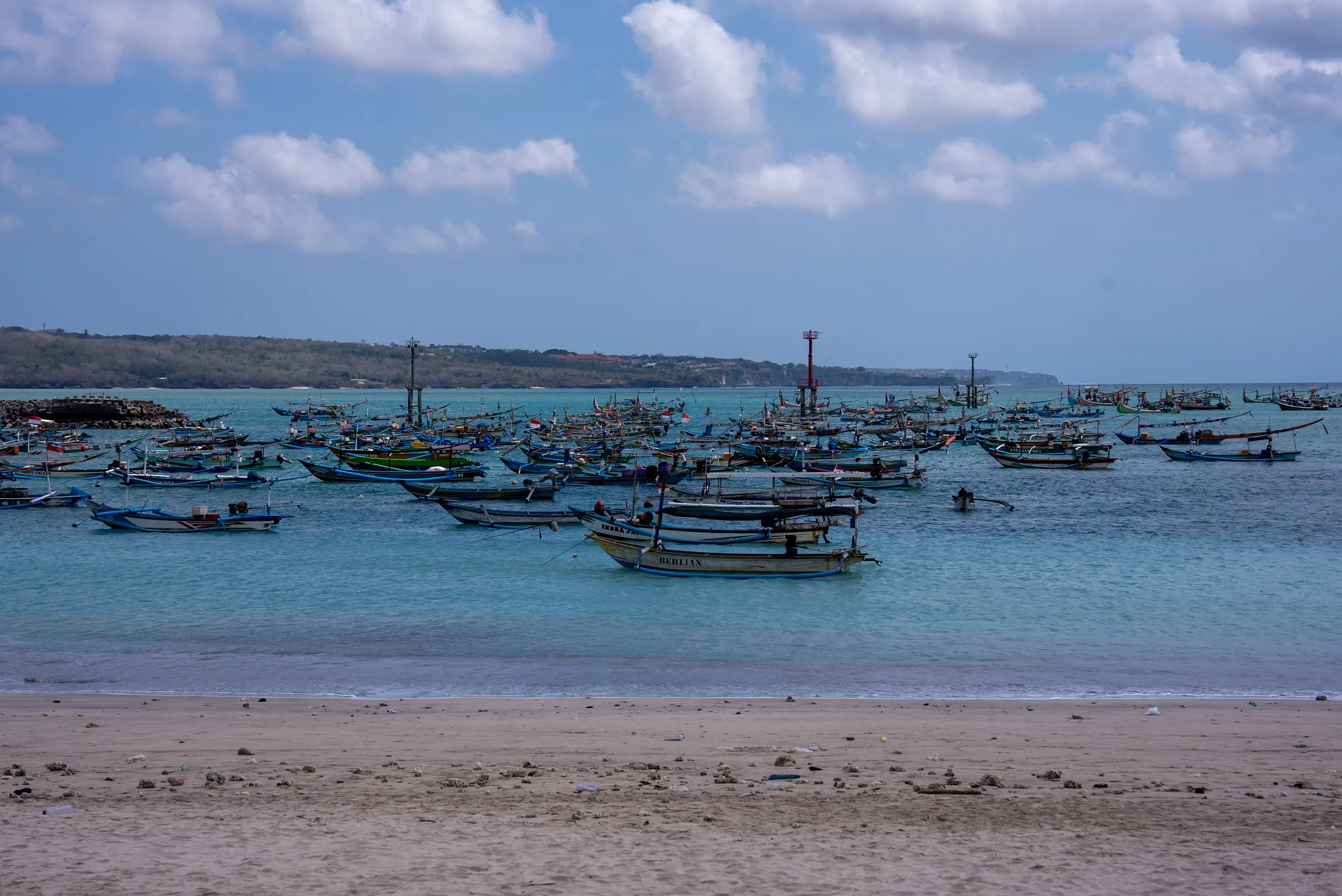
Your choice between Jimbaran, Uluwatu and Canggu should start with intended use. A family home, a remote-work base and a short-stay villa need different surroundings. Area reputation is a weak substitute for testing actual routes, nearby services and the reasons a guest would book.
The useful question is not which location is best. It is which location creates the fewest operating conflicts for your routine and property concept.
Start with the use you can define
Write down who will occupy the property most often and what they must do each week. Owner-occupiers may prioritise airport access, groceries, healthcare and a manageable school run. Remote workers may accept a smaller home to gain walkable food, exercise and work options. Holiday guests may care more about a distinct beach experience than practical errands.
Investors need one further distinction: is the property meant to capture broad convenience demand or a narrow, high-intent trip? Jimbaran can support airport-linked stays, family use and beach access. Uluwatu often suits guests choosing a cliff, surf or villa-led holiday. Canggu attracts visitors who want its restaurant, fitness, nightlife and work-oriented ecosystem. These are operating hypotheses, not occupancy guarantees.
Compare the three areas on the same criteria
| Criterion | Jimbaran | Uluwatu | Canggu |
|---|---|---|---|
| Airport access | Geographically close to the airport, but timing still depends on the exact site and traffic | Longer route exposure in most cases; test the final local roads as well as the main route | Airport journeys cross traffic-sensitive corridors; departure planning matters |
| Beach character | West-facing bay with a long shoreline and established seafood dining identity | Cliff and surf character, with beach access varying sharply by pocket | Surf and social beach culture, closely tied to dining and nightlife |
| Traffic exposure | Can be practical when daily needs are kept within Jimbaran; junctions still slow at busy times | Dispersed destinations create more vehicle dependence | Dense amenity choice, with congestion capable of turning short trips into uncertain trips |
| Daily services | Useful mix for ordinary residential life, hospitality and airport-related needs | Improving choice, though some pockets remain spread out | Broad concentration of cafes, studios, shops and work venues |
| Work routine | Suits home-based work and south Bali access; inspect internet and backup power property by property | Strong for retreat-style routines if isolation is intentional | Strongest social and coworking pattern, with traffic as the counterweight |
| Family use | Balanced for beach, errands and airport needs; school routes require address-specific testing | Space and privacy can appeal, but repeated family journeys may be longer | Many lifestyle services, but routine transport can dominate the day |
| Typical guest motivation | Convenience, bay access, family stays, transit-sensitive trips | Scenery, surf, privacy and destination villas | Food, fitness, social life, work and beach culture |
| Market maturity | Established tourism and residential base, with less dependence on one trend | Strong destination recognition, but performance can vary by micro-location | Highly recognised and competitive, requiring sharper product differentiation |
This table describes area tendencies, not every address. A villa on a quiet edge road can operate very differently from one near the centre of the same district.
Separate airport proximity from journey reliability
Airport access matters most when owners travel often, guests stay briefly or late arrivals are common. Distance alone does not answer the question. Check the route at the weekday and weekend times your users are likely to travel, including the return journey.
Operator-reported, project-specific fact: Pronoia’s project mapping places the property in Jimbaran at around 10 minutes from the airport. That is a project estimate, not a universal Jimbaran drive time. Traffic, road works and pickup conditions can change it.
For Uluwatu and Canggu, avoid accepting a single map estimate from a quiet hour. Record several live route checks and ask whether a delayed transfer would merely annoy a guest or undermine the stay proposition.
Test daily life at street level
Jimbaran is often the more neutral choice for mixed use. It can serve a resident who wants ordinary errands and a visitor who wants the bay. For a closer look at the day-to-day case, see living in Jimbaran.
Uluwatu rewards deliberate routines. A well-positioned villa can feel private and focused, but a poorly matched site may require a scooter or car for almost every meal, appointment and purchase. Verify gradients, road width, lighting and turning access rather than relying on the district name.
Canggu offers the deepest concentration of lifestyle venues among the three. That can make a work week socially easy while making cross-area appointments unpredictable. Buyers should distinguish walkable proximity from apparent proximity. A venue one kilometre away is not meaningfully close if the route is unpleasant or unsafe on foot.
At every shortlisted property, inspect mobile signal, fixed internet options, backup power arrangements, drainage evidence, waste collection and delivery access. These checks reveal more about daily usability than a styled viewing.
Match the beach to the guest motivation
A beach label is too broad for positioning a property. Jimbaran Bay is west-facing, and Pronoia’s destination information describes its relationship with the bay. Operator-reported, project-specific fact: Pronoia is mapped at about 100 metres, or a three-minute walk, from the beach. Buyers should walk that route themselves and check crossings, lighting and access at different times.
Uluwatu’s appeal is often visual and activity-led. The trade-off is that cliff settings do not always mean easy beach access. Count steps, inspect the return climb and identify what a guest can reach without transport.
Canggu’s beach proposition is closely connected to its wider social scene. That is useful when the property is designed for guests who plan to go out. It is less relevant for visitors seeking quiet seclusion. Beach conditions in all three areas vary with weather, tides and the specific stretch of coast, so avoid promising a universal swimming experience.
Read maturity without assuming returns
Market maturity can lower the effort needed to explain a destination, but it also raises guest expectations. Canggu benefits from strong name recognition and a large amenity network, while owners face extensive competition. Uluwatu has clear destination appeal, yet two nearby pockets can have very different access and guest logic. Jimbaran has an established hospitality and residential identity, but the product must explain why its particular part of the bay fits the stay.
Official statistics: BPS-Statistics Indonesia Bali Province tourism tables provide Bali-level tourism data. They are useful for checking broad arrival and accommodation trends, but they do not prove occupancy, nightly rates or yields for a particular villa. For wider interpretation, see the Bali property market data guide.
Do not transfer a return assumption from one district to another. Compare like-for-like properties, then model management fees, maintenance, utilities, replacement reserves and realistic downtime. Treat any forecast as a scenario, not a fact.
Use a two-visit decision check
Before reserving a property, complete this short worksheet:
- Morning visit: Travel from the property to the most important weekly destination. Buy a basic item nearby and test the walking environment.
- Evening visit: Repeat the airport or dining route during a busier period. Check noise from the bedroom, not the entrance.
- Guest test: State one primary booking motivation in a sentence. If it needs several unrelated benefits to sound convincing, the positioning is too broad.
- Family test: List the two journeys that would happen most often. Measure their variability, not only their fastest time.
- Operations test: Confirm housekeeping access, linen movement, deliveries, waste handling and vehicle turning space.
- Market test: Identify five genuinely comparable properties and record how your site differs without assuming a higher rate or yield.
Choose the area only after the same worksheet has been completed for one real address in each viable district. If a site fails the route test or cannot support its stated guest motivation, revise the property concept or remove it from the shortlist.
Sources
- Map of Pronoia and Jimbaran Pronoia · Accessed August 31, 2026
- The Pronoia destination Pronoia · Accessed August 31, 2026
- Tourism statistical tables BPS-Statistics Indonesia Bali Province · Accessed August 31, 2026
General information only. Property, legal and tax decisions require independent Indonesian professional advice.